
Manufacturers need to inspect more parts, identify defects earlier and maintain consistent quality without slowing production. AI visual inspection systems can support this by analysing images automatically and learning how acceptable and defective products differ.
At Optimax, we help manufacturers assess their inspection requirements and choose systems that suit their product, production environment, and level of automation.
What Are AI Visual Inspection Systems?
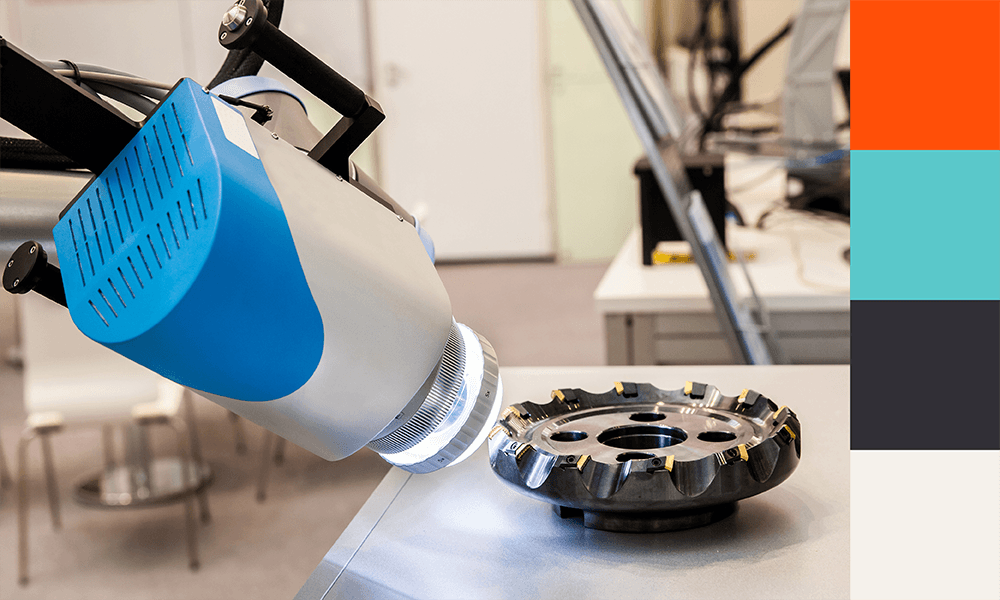
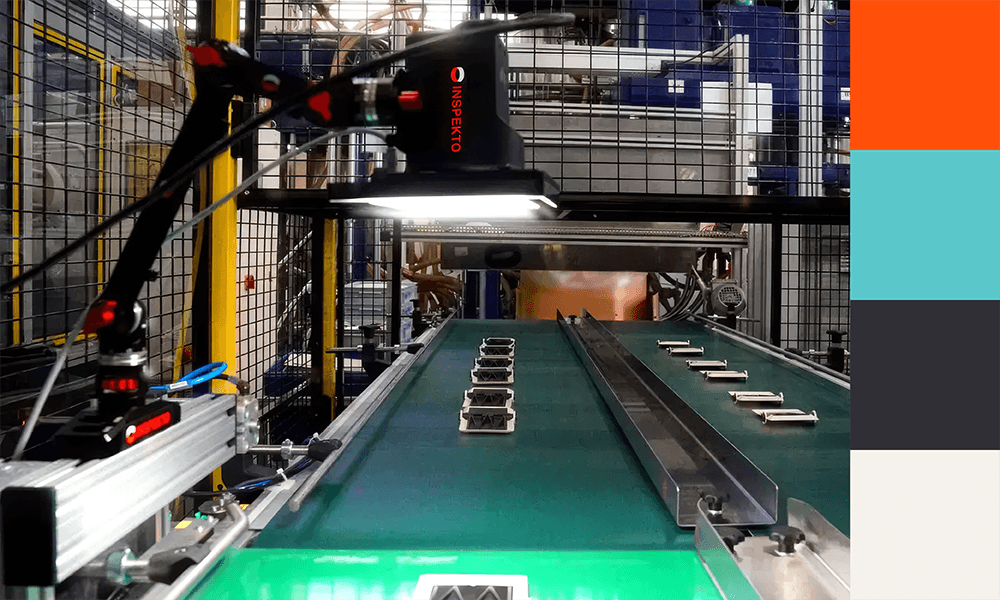
AI visual inspection systems combine cameras, lighting, optics, software and artificial intelligence to inspect products or components. Images are captured at a defined point in the process, then analysed to identify features, irregularities or defects.
An AI model can be trained using examples, allowing it to recognise defects that vary in size, position, shape or appearance. The range of available visual inspection solutions means manufacturers can select equipment suited to the application rather than applying a single inspection method to every task.
How AI Defect Detection Works in Manufacturing
AI defect detection in manufacturing begins with controlled image capture. Suitable lighting and optics make the relevant feature visible, while the camera records images at the required speed and resolution.
Machine-learning software is trained using labelled images of acceptable parts and known defects. During production, computer vision and image analysis compare new images with what the system has learned. The result may trigger a reject mechanism, alert an operator or store data for traceability.
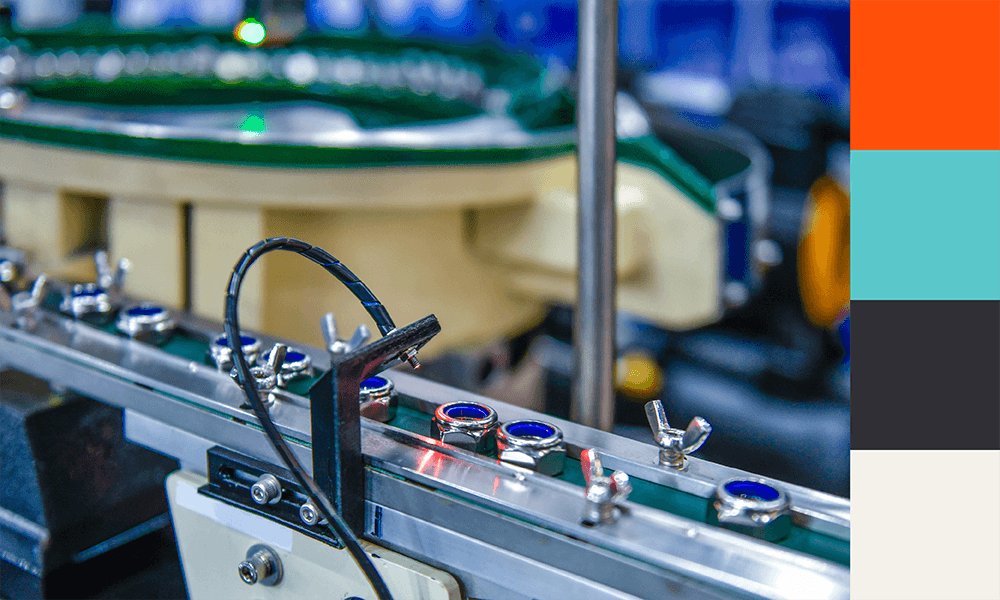
Where continuous inspection is required, automation for production can connect image analysis with handling, sorting and process-control equipment.
The Benefits of AI Visual Inspection Systems
AI inspection can improve consistency where manual checks are affected by fatigue, inspection volume or subtle differences between products. It may also identify surface or assembly defects that are difficult to define through fixed rules.
Potential benefits include faster inspection, earlier identification of recurring defects, reduced scrap and more detailed quality records. When results are reviewed over time, manufacturers can identify patterns across batches, machines or production conditions. This can support predictive quality control by helping teams investigate a process before defect levels increase.
Some applications combine inspection with optical metrology systems where dimensional measurement, geometry or surface data is required alongside visual defect detection.
AI Defect Detection vs Traditional Inspection Methods
Manual inspection can remain appropriate for low-volume, variable or highly interpretive tasks, although repeatability may depend on the operator and working conditions.
Traditional rule-based vision systems use defined thresholds for characteristics such as edge position, colour or contrast. They can be effective when product and defect criteria are stable. AI-based systems may offer greater flexibility when acceptable variation is wider or when defects are harder to describe with fixed rules.
The right approach depends on part presentation, defect size, line speed, image quality, traceability requirements and the cost of an incorrect result.
Common Applications of Automated Defect Detection Systems
Automated defect detection systems can support:
- Surface inspection for scratches, dents, contamination or coating faults
- Assembly verification to confirm component presence and position
- Dimensional inspection of visible features
- Electronics inspection for component, soldering or alignment issues
- Packaging checks for labels, seals, print quality and product presence
The camera, lens, lighting and software will vary between applications. A wider range of optical metrology equipment may also be required where inspection extends beyond appearance.
Industries Using AI Visual Inspection Systems
AI inspection technology is used across automotive, aerospace, electronics, food manufacturing, pharmaceutical and medical-device production. Each sector has different requirements for inspection speed, defect classification, cleanliness, validation and traceability.
An automotive supplier may inspect cast or machined surfaces, while an electronics manufacturer may need to confirm small components at high speed. Food and pharmaceutical applications may focus on packaging integrity, contamination or label accuracy.
Key Features to Look for in AI Inspection Systems
A suitable system should provide learning capabilities that match the expected product variation and defect types. Inspection speed must support production without reducing image quality or analysis reliability.
Integration is equally important. The system may need to communicate with programmable logic controllers, reject mechanisms, production software or reporting platforms. Scalability, real-time monitoring, data storage and clear reporting should also be considered.
Optimax has explored flexible approaches to AI-guided inspection with OptiVu and Inspekto, helping manufacturers assess how newer systems may fit less conventional automation requirements.
Common Challenges and Considerations
AI performance depends on the quality and range of its training data. Images should represent normal production variation as well as the defects the system is expected to identify. Poor lighting, inconsistent presentation or too few defect examples can limit performance.
Implementation costs, line integration, operator training and maintenance also need planning. Cameras and optics must remain correctly set up, while software models may need review as products or processes change. A structured calibration and support approach can help maintain confidence in the wider inspection system.
The Future of AI Defect Detection in Manufacturing
As smart factories and Industry 4.0 systems develop, inspection data is likely to become more closely connected with process control, maintenance and production planning. Deep-learning inspection systems may handle more complex visual variation, while predictive analytics could help trace quality changes back to equipment or process conditions.
Fully autonomous quality control may become practical for some stable, high-volume applications. Human oversight will remain valuable for setting criteria, reviewing uncertain results and understanding the causes behind a defect. Further developments can be followed through the Optimax news and resources section.
Choosing the Right AI Visual Inspection System
AI visual inspection systems can help manufacturers improve inspection consistency, detect defects earlier and use quality data more effectively. Results depend on suitable imaging hardware, careful training and effective production-line integration.
Explore Optimax visual inspection systems or contact our team to discuss an application, arrange a consultation or book a demonstration.